| Total Appliances | Total Watts Needed |
|
Watts Produced |
|
Storable Watts |
|---|---|---|---|---|---|
|
0 |
0 |
0 |
0 |
0 |
0 |
| Appliance | Watts Per Hour | Appliance | Watts Per Hour | Appliance | Watts Per Hour |
|---|---|---|---|---|---|
|
900 |
Washing Machine |
800 |
Electric Dryer |
3000 |
|
|
Microwave |
1200 |
40 Watt Bulbs |
5000 |
Water Heater |
4000 |
|
Refrigerator |
1500 |
12,000 BTU |
1400 |
Ceiling Fan |
125 |
|
Hair Dryer |
1500 |
Laptop Computer |
50 |
15 ft³ Freezer |
35 |
|
40" LED TV |
31 |
Toaster |
1200 |
.5 hp well pump |
900 |
|
XBOX 360 |
180 |
PS4 |
150 |
1hp well pump |
2000 |
|
DVD Player |
15 |
RV Water Pump |
50 |
Desktop PC |
200 |
|
Dishwasher |
1800 |
RV Furnace Fan |
100 |
Clothes Iron |
900 |
*All appliance wattages are an average estimate based on general usage. Wattage may vary with model.
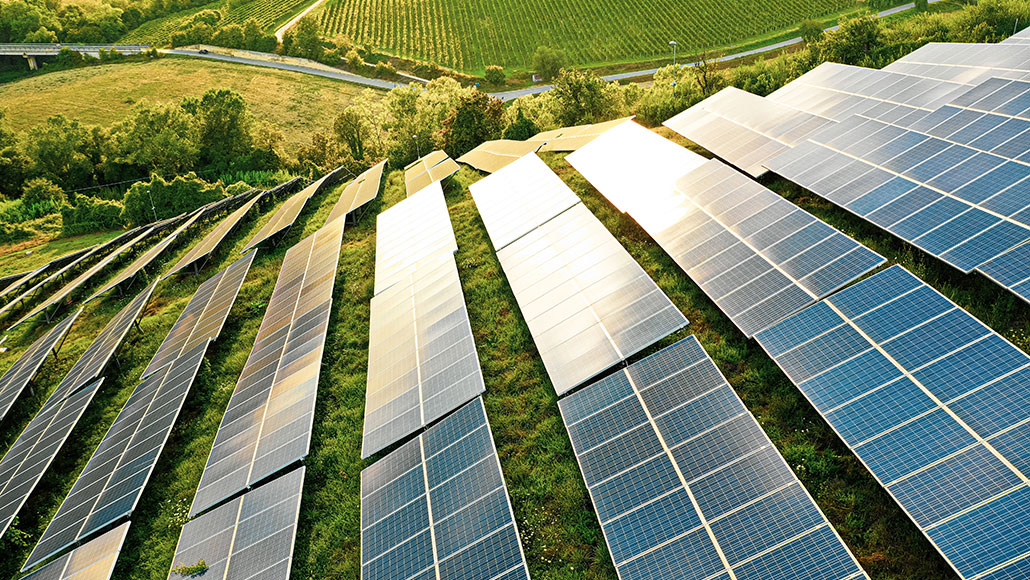
For producing energy I chose a 240 watt polycrystalline solar panel. The reason I chose this panel is because it is more affordable and common than monocrystalline solar panels, however, this is a baseline to be used for identifying how many panels are needed. Both polycrystalline and monocrystalline will produce the same amount of energy but the more efficient monocrystalline panel may be smaller.
For energy storage I chose a common 1000 Watt RV battery for calculating needed stored energy. There are other options for storing energy that are measured in watt hours but I chose a readily available option for storing energy to solve the need for energy when solar energy is not being produced such as at night.
This program helps users understand how our consumption affects the need for producing and storing energy.